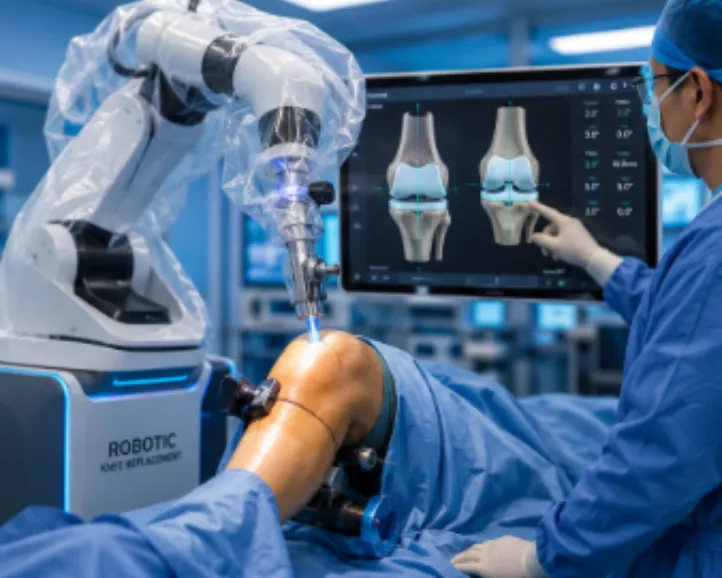
Orthopaedic surgery has evolved significantly with the introduction of advanced technologies that improve precision and surgical planning. One of the most notable innovations is Robotic Orthopaedic Surgery in Nagarbhavi, which combines the expertise of an experienced orthopaedic surgeon with computer-assisted technology to perform highly accurate joint replacement procedures.
Patients considering surgery often have questions about robotic technology, its benefits, and whether it is suitable for their condition. Understanding how robotic-assisted surgery works can help patients make informed healthcare decisions.
What Is Robotic Orthopaedic Surgery?
Robotic orthopaedic surgery is an advanced surgical technique that assists surgeons during procedures such as knee and hip replacement. Contrary to popular belief, the robot does not perform the operation independently.
Instead, the technology provides:
- Three-dimensional surgical planning
- Real-time guidance during surgery
- Enhanced implant positioning
- Improved alignment based on individual anatomy
- Greater surgical precision
The surgeon remains in complete control throughout the procedure while using the robotic system as an advanced tool.
Conditions That May Benefit from Robotic Surgery
Not every orthopaedic condition requires robotic-assisted surgery. It is generally considered for patients with advanced joint damage where replacement surgery is recommended.
Common conditions include:
- Severe knee osteoarthritis
- Advanced hip arthritis
- Chronic joint pain
- Reduced mobility
- Joint deformities
- Failure of conservative treatment
A detailed clinical evaluation helps determine whether robotic surgery is appropriate for each patient.
Potential Benefits of Robotic-Assisted Procedures
Although outcomes vary among individuals, robotic technology may offer several advantages when used by an experienced surgeon.
Possible benefits include:
- Personalized surgical planning
- More accurate implant placement
- Better joint alignment
- Preservation of healthy bone where appropriate
- Improved balance of surrounding soft tissues
- Consistent surgical precision
Technology supports the surgeon's expertise rather than replacing it.
How Patients Prepare for Surgery
Successful surgery begins with careful preparation.
Before the procedure, patients typically undergo:
- Clinical examination
- Diagnostic imaging
- Blood investigations
- Medical fitness assessment
- Medication review
- Pre-operative counselling
Patients are also advised about recovery expectations and rehabilitation plans.
Recovery After Robotic Orthopaedic Surgery
Recovery depends on several factors, including the patient's age, general health, and commitment to rehabilitation.
Recovery plans commonly include:
- Early assisted walking
- Physiotherapy sessions
- Muscle strengthening exercises
- Flexibility training
- Gradual increase in activity
- Regular follow-up consultations
Following rehabilitation instructions carefully is essential for achieving the best possible outcome.
Common Questions Patients Ask
Is robotic surgery safer?
The safety of surgery depends on multiple factors, including patient selection, surgical planning, and the experience of the orthopaedic surgeon. Robotic technology is designed to improve precision during suitable procedures.
Will recovery be faster?
Many patients resume activities gradually with structured rehabilitation, but recovery timelines differ from person to person.
Is robotic surgery suitable for everyone?
No. The decision depends on the patient's condition, medical history, and clinical findings.
The Importance of Choosing an Experienced Surgeon
Advanced technology delivers the best results when combined with sound clinical judgment and extensive surgical expertise. Patients should seek specialists who are experienced in evaluating both conventional and robotic treatment options based on individual needs rather than recommending technology for every case.
Residents of Nagarbhavi looking for advanced orthopaedic care often consult AHA Ortho Care, where Dr. HANUME GOWDA assesses each patient's condition thoroughly before recommending robotic-assisted procedures. The clinic focuses on evidence-based treatment, individualized planning, and comprehensive rehabilitation to support long-term joint function.
Patients interested in understanding robotic orthopaedic procedures in greater detail can also refer to the educational information available through ahaorthocare.in.
Robotic orthopaedic surgery represents an important advancement in modern joint care. When combined with experienced surgical expertise and personalized rehabilitation, it offers patients an effective pathway toward improved mobility and a better quality of life.
Keywords