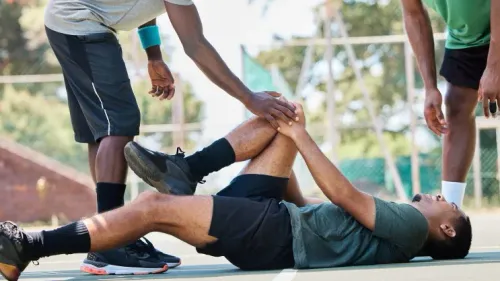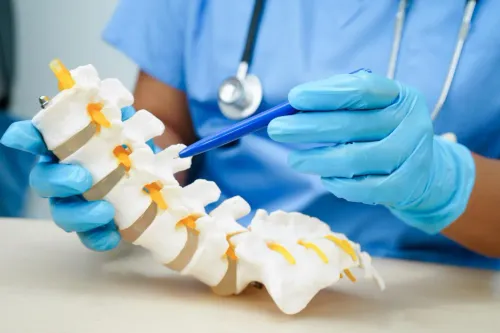
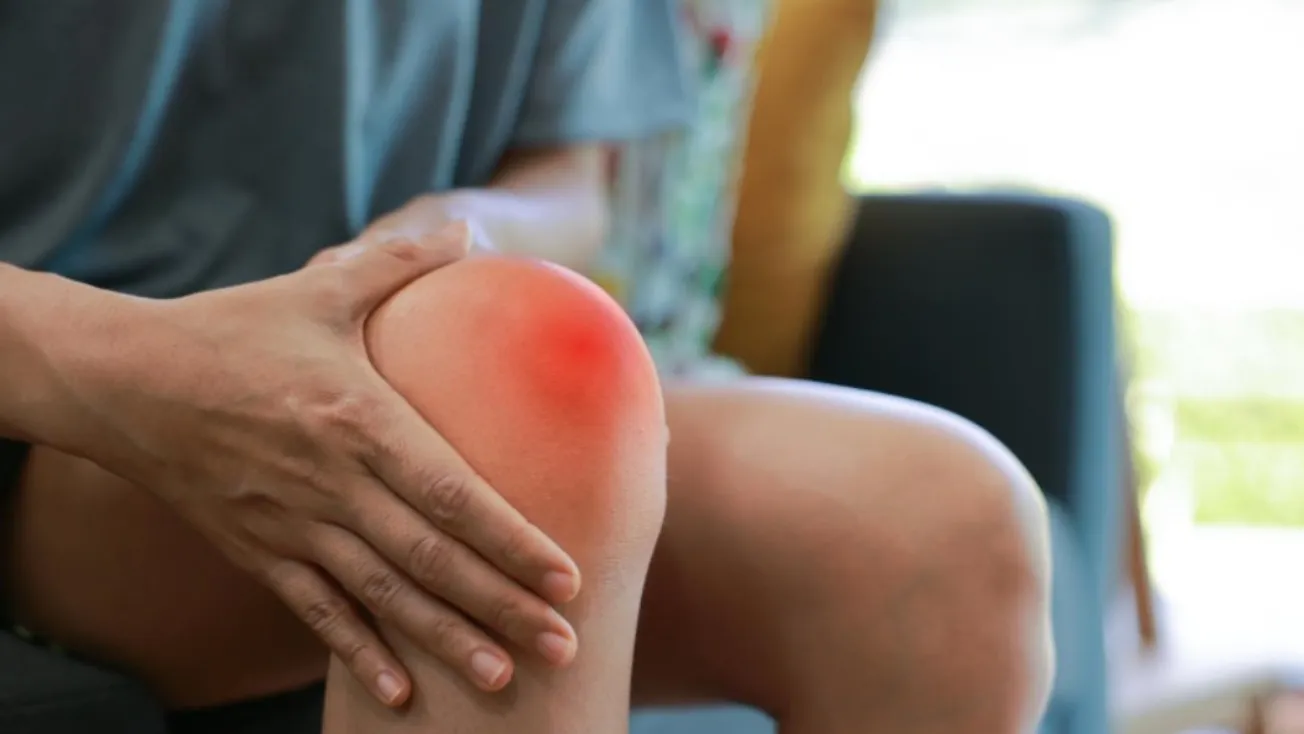
Joint pain can affect people of all ages and may interfere with simple daily activities such as walking, climbing stairs, lifting objects, or even getting out of bed. While occasional discomfort can result from temporary strain, persistent joint pain should be evaluated by an orthopaedic specialist to identify its underlying cause. Seeking Comprehensive Joint Pain Treatment in Nagarbhavi allows patients to receive a thorough assessment and a treatment plan tailored to their specific condition.
Joint pain is a symptom rather than a disease itself. Identifying why it occurs is the first step toward effective and lasting relief.
Common Causes of Joint Pain
Several medical conditions can contribute to pain, swelling, or stiffness in the joints.
Some of the most common causes include:
- Osteoarthritis
- Rheumatoid arthritis
- Sports injuries
- Ligament injuries
- Tendon inflammation
- Bursitis
- Fractures
- Joint infections
- Cartilage damage
- Age-related joint degeneration
Because symptoms may appear similar, professional evaluation is important for an accurate diagnosis.
Symptoms That Should Not Be Ignored
Persistent symptoms may indicate that the joint requires medical attention.
Seek an orthopaedic consultation if you notice:
- Ongoing joint pain
- Swelling around the joint
- Difficulty moving the joint
- Joint stiffness
- Pain while walking
- Reduced strength
- Locking or instability
- Pain that interferes with sleep
Early diagnosis often prevents further joint damage and improves treatment outcomes.
How Joint Pain Is Evaluated
An orthopaedic assessment involves more than identifying where the pain is located.
The evaluation may include:
- Detailed medical history
- Physical examination
- Assessment of joint function
- Digital X-rays
- MRI or ultrasound when required
- Functional movement analysis
These investigations help determine the exact cause of pain and guide individualized treatment.
Comprehensive Treatment Options
Modern orthopaedic care focuses on addressing both symptoms and their underlying cause.
Treatment may include:
- Medication
- Physiotherapy
- Lifestyle modifications
- Weight management
- Joint injections where appropriate
- Arthroscopic procedures
- Fracture management
- Robotic-assisted joint replacement for advanced arthritis
The most suitable treatment depends on the patient's diagnosis, activity level, and long-term goals.
Supporting Recovery Through Rehabilitation
Rehabilitation is an essential part of comprehensive joint care.
A structured program may include:
- Strengthening exercises
- Flexibility training
- Balance improvement
- Walking exercises
- Functional movement training
- Home exercise programs
Following rehabilitation recommendations consistently helps patients regain confidence and mobility.
Tips for Maintaining Healthy Joints
Although not every joint problem can be prevented, adopting healthy habits can support long-term joint health.
Helpful measures include:
- Exercise regularly
- Maintain a healthy body weight
- Eat a balanced diet
- Avoid smoking
- Use proper lifting techniques
- Address injuries promptly
- Stay active throughout the day
These habits reduce stress on joints and contribute to better overall musculoskeletal health.
Choosing Personalized Orthopaedic Care
People living in Nagarbhavi often prefer treatment that combines accurate diagnosis, advanced technology, and individualized care. At AHA Ortho Care, Dr. HANUME GOWDA provides comprehensive evaluation and treatment for knee pain, hip disorders, shoulder problems, fractures, sports injuries, spine conditions, and arthritis. Every treatment plan is developed according to the patient's specific diagnosis and lifestyle, ensuring that conservative options are considered before surgery whenever appropriate.
Patients can also explore the educational resources available through ahaorthocare.in to better understand various orthopaedic conditions and the treatments available.
Joint pain should never be accepted as an unavoidable part of everyday life. With timely diagnosis, appropriate treatment, and ongoing rehabilitation, many people can return to their daily activities with improved comfort, mobility, and confidence.
Keywords