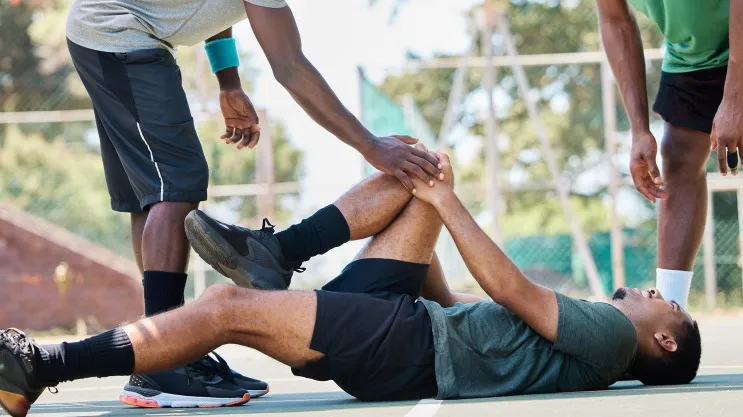
Whether you are a professional athlete, a fitness enthusiast, or someone who enjoys recreational sports, injuries can happen unexpectedly. A twisted knee during football, a shoulder injury while swimming, or an ankle sprain during a morning run can interrupt your daily routine and affect your performance. Seeking timely care from a Sports Injury Orthopedic Doctor in Nagarbhavi is essential for proper diagnosis, effective treatment, and a safe return to physical activity.
Many people ignore sports injuries, assuming the pain will disappear with rest. While minor strains often heal naturally, untreated ligament tears, tendon injuries, and fractures can lead to chronic pain, instability, and recurring injuries.
Understanding Common Sports Injuries
Sports injuries affect bones, muscles, ligaments, tendons, and joints. They can occur suddenly due to trauma or gradually because of repetitive stress.
Some of the most common sports injuries include:
- Ligament tears such as ACL and MCL injuries
- Meniscus injuries
- Rotator cuff injuries
- Tennis elbow
- Golfer's elbow
- Achilles tendon injuries
- Ankle sprains
- Muscle strains
- Stress fractures
- Shoulder dislocations
The severity of these injuries varies, making early diagnosis an important part of successful treatment.
Symptoms You Should Never Ignore
While mild soreness after exercise is normal, certain symptoms indicate the need for medical evaluation.
Consult an orthopaedic specialist if you experience:
- Severe pain after an injury
- Swelling around a joint
- Difficulty bearing weight
- Joint instability
- Limited movement
- Repeated injuries in the same area
- A popping sensation during injury
- Pain that persists despite rest
Ignoring these warning signs may prolong recovery and increase the risk of complications.
How Sports Injuries Are Diagnosed
Accurate diagnosis helps determine the most appropriate treatment plan.
Your orthopaedic doctor may recommend:
- Physical examination
- Assessment of joint stability
- Digital X-rays
- MRI scan for ligament or cartilage injuries
- Ultrasound for soft tissue evaluation when appropriate
Understanding the exact nature of the injury prevents unnecessary treatments and supports faster rehabilitation.
Treatment Depends on the Injury
Every sports injury requires an individualized approach. Treatment may include:
- Rest and activity modification
- Ice therapy during the early phase
- Medication to reduce pain and inflammation
- Bracing or supportive devices
- Physiotherapy
- Sports rehabilitation
- Arthroscopic surgery for selected injuries
Many patients recover completely with non-surgical treatment when care begins early.
Rehabilitation Is Just as Important as Treatment
Returning to sports too quickly can result in reinjury. Rehabilitation focuses on restoring strength, flexibility, balance, and confidence before resuming physical activity.
A structured rehabilitation program generally includes:
- Pain management
- Range-of-motion exercises
- Muscle strengthening
- Balance and coordination training
- Sport-specific functional exercises
- Gradual return-to-play assessment
Following the rehabilitation plan reduces the likelihood of recurring injuries.
Preventing Future Sports Injuries
Athletes can lower their injury risk by following healthy training practices.
Helpful preventive measures include:
- Warm up before every workout
- Stretch regularly
- Use proper sports equipment
- Increase training intensity gradually
- Maintain good hydration
- Allow adequate recovery between sessions
- Strengthen supporting muscles
Consistency with these habits supports better athletic performance while protecting joints and muscles.
Choosing Experienced Sports Injury Care
People involved in sports often require treatment that focuses not only on healing but also on restoring performance. At AHA Ortho Care, Dr. HANUME GOWDA evaluates sports-related injuries with a personalized approach, considering the patient's activity level, goals, and the severity of the injury. Treatment plans may include conservative management, minimally invasive procedures, or rehabilitation depending on individual needs.
Patients can also learn more about sports injury management and orthopaedic care through the educational resources available on ahaorthocare.in before their consultation.
Recovering from a sports injury requires more than simply relieving pain. Accurate diagnosis, timely treatment, and guided rehabilitation help patients regain strength, restore confidence, and safely return to the activities they enjoy.
Keywords