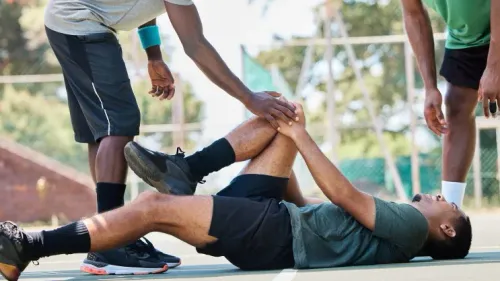
Children frequently experience falls, minor injuries, temporary aches, changes in walking patterns during their growing years. Many concerns settle with rest, yet some symptoms deserve assessment by a specialist. Parents searching for Pediatric Orthopedic Surgeons in Nagarbhavi usually want to know whether a child's condition is part of normal development or requires medical attention.
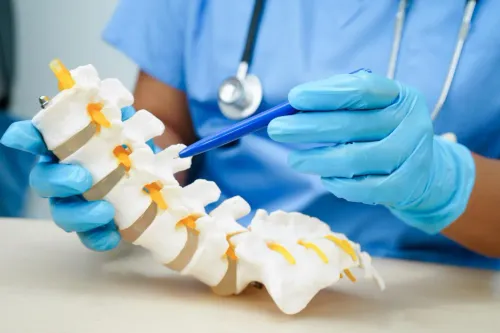
Pediatric orthopaedics focuses on bone, joint, muscle, limb, growth-related conditions affecting infants, children, teenagers. Because a child's musculoskeletal system is still developing, evaluation differs from adult orthopaedic care.
For families in Nagarbhavi, Bengaluru, access to appropriate assessment can be useful when a child has persistent pain, unusual movement, recurrent injuries, visible changes in limb alignment.
Signs That May Need Orthopaedic Assessment
Occasional discomfort after physical activity is common among active children. Persistent symptoms deserve closer attention.
Parents may consider a specialist assessment when they notice
- Repeated complaints of knee, hip, foot, shoulder pain
- Limping that continues without a clear reason
- Difficulty participating in usual physical activities
- Frequent falls beyond what appears age appropriate
- Uneven walking patterns
- Visible limb deformity
- Persistent swelling near a joint
- Restricted movement after an injury
- Delayed recovery following a fracture
- Back pain that repeatedly affects daily activity
The presence of one symptom does not automatically indicate a serious condition. Clinical examination helps determine whether further investigation is necessary.
Why Children's Bone Problems Need a Different Approach
A child's bones contain growth plates, which are areas of developing tissue near the ends of certain bones. Injuries involving these areas may require careful assessment because growth is still taking place.
Treatment planning also needs to consider age, skeletal maturity, activity level, type of injury, future development.
Some childhood orthopaedic conditions may improve as the child grows. Others may require observation, physiotherapy, bracing, medication, corrective procedures, surgical management depending on clinical findings.
This is why treatment should not be based simply on how an adult with a similar symptom might be managed.
Common Pediatric Orthopaedic Concerns
Specialist evaluation may be relevant for congenital conditions, developmental concerns, sports injuries, fractures, gait abnormalities.
Common reasons for consultation include flat feet, knock knees, bow legs, clubfoot, limb-length differences, recurrent joint pain, growth-related discomfort.
Children involved in sports may also develop overuse injuries. Repetitive running, jumping, throwing can place stress on growing bones plus soft tissues.
A detailed assessment can help distinguish between temporary activity-related discomfort plus a condition requiring structured treatment.
What Happens During an Evaluation?
The consultation usually begins with a review of the child's symptoms, medical history, previous injuries, developmental history.
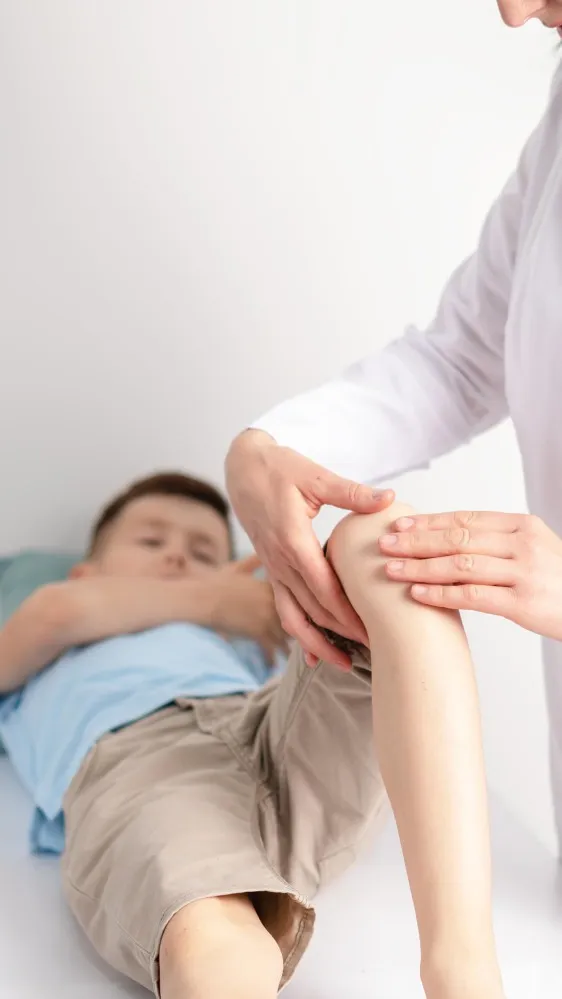
The doctor may observe posture, walking pattern, joint movement, limb alignment. Strength, tenderness, stability, flexibility may also be assessed.
Imaging is not automatically necessary for every child. X-rays, scans, other investigations may be considered when clinical findings indicate that additional information is needed.
At AHA ORTHO CARE in Nagarbhavi, Dr HANUME GOWDA can assess orthopaedic concerns based on the child's symptoms, examination findings, relevant investigations.
Supporting Recovery at Home
Parents play an important role during recovery. Follow the activity restrictions recommended by the treating doctor. Avoid encouraging a child to return to sports simply because pain has temporarily reduced.
Prescribed exercises should be performed according to professional guidance. If symptoms worsen, swelling increases, movement becomes more restricted, further medical review may be appropriate.
Children often find it difficult to describe exactly where pain originates. Parents can help by noting when discomfort occurs, what activities trigger it, how long it lasts, whether movement changes.
For families across Nagarbhavi plus nearby Bengaluru communities in Karnataka, timely pediatric orthopaedic evaluation can provide clarity when musculoskeletal symptoms persist. The objective is not unnecessary treatment. It is appropriate assessment at the right stage of a child's growth.
Keywords